Insights
Analysis and commentary on the Network’s experiences coordinating climate-resilient development.
Ghana, Netherlands, and Peer Governments Gather in Accra to Accelerate National Action to Adapt to Climate Change
ACCRA, Ghana — From August 17 to 19, the governments of Ghana, Kenya, the Netherlands, and South Africa are convening…
From Country Priorities to Global Signals: A step-by-step guide to adaptation indicators for national monitoring, evaluation, and learning systems
Countries left the Bonn Climate Change Conference last week without an agreement on issues related to the global goal on…
La República Dominicana Fortalece la Colaboración en el Proceso de Actualización del Plan Nacional de Adaptación
La República Dominicana organizó en febrero pasado una serie de consultas entre actores clave del gobierno y la comunidad, para…
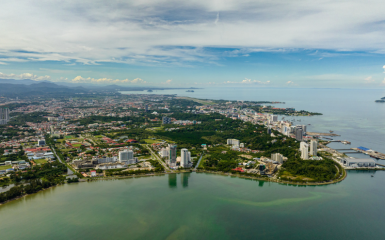
Key Pillars Guiding Malaysia’s National Adaptation Plan Process: What can we learn?
By Jasmin Irisha Jim Ilham, Senior Climate Change Adaptation Coordinator for Malaysia
Malaysia is developing its first inclusive national adaptation plan (MyNAP), which is built upon four strategic pillars. It also sets out key principles for advancing the country’s NAP process. This article outlines how Malaysia is working to mark a major milestone in its NAP process around key pillars and principles—from strengthening governance and data systems to unlocking private investment and scaling adaptation finance.

Climate Change Adaptation Investment Plans: Frequently Asked Questions
Climate change adaptation investment planning offers a structured approach to unlocking financial resources and accelerating the transition toward implementing countries’ adaptation priorities. In this explainer, the NAP Global Network’s experts answer some of the frequently asked questions about adaptation investment planning.
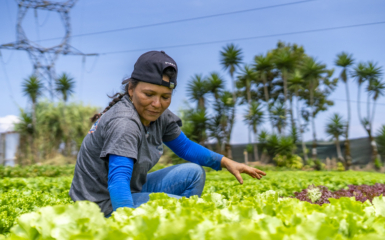
Climate Change Adaptation Investment Plans: Frequently Asked Questions
By Maribel Hernández and Aurélie Ceinos
As the adverse impacts of climate change on communities and the economy become more evident, there is an urgent need for countries to efficiently mobilize finance and accelerate the implementation of their priority adaptation measures to manage these risks and promote sustainable development in a changing climate. The Global Goal on Adaptation (GGA), introduced as […]
Quiz | Innovative Financial Instruments for Climate Change Adaptation
By Deborah Murphy, Senior Associate, NAP Global Network Secretariat (IISD)
Significant financial resources are required now and in the coming decades for people and systems to adapt to a changing climate. Developing countries need about USD 212 billion per year up to 2030 to address their adaptation needs, yet adaptation finance flows were only USD 56 billion in 2021-2022.1 Private sector investment has a pivotal […]

Seven Guiding Principles for Preparing Financing Strategies for Climate Change Adaptation in Developing Countries
By Deborah Murphy, Senior Associate, NAP Global Network Secretariat (IISD) and Jo-Ellen Parry, Deputy Director, Resilience (IISD)
As developing countries transition from planning to implementation in their National Adaptation Plan (NAP) processes, a critical step is securing financing to implement priority adaptation actions articulated through the NAP process. Several developing countries are preparing “financing strategies for adaptation” to set out a coordinated national approach to identify investment priorities and financing approaches for […]
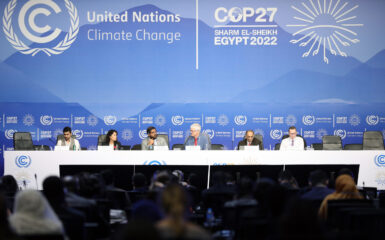
Adaptation at COP 27: Incremental progress underlines the necessity of National Adaptation Plans
Explore key COP 27 outcomes on climate change adaptation and their implications on National Adaptation Plan (NAP) processes.

La société civile et le secteur privé, deux partenaires incontournables dans la réussite du processus de PNA d’Haïti
Par Patrick Saint-Pré, Consultant en communication
Au cours des 20 dernières années, Haïti a été l’un des trois pays les plus touchés par les épisodes météorologiques extrêmes, qui risquent d’augmenter compte tenu du rythme actuel du réchauffement climatique. Pour tenter de résoudre cette situation, Haïti a lancé un processus PAN en août 2019 afin de renforcer la résilience des secteurs économiques stratégiques du pays.
Civil Society and the Private Sector: Two essential partners for a successful NAP process in Haiti
By Patrick Saint-Pré, Communications Consultant
Over the past 20 years, Haiti has been one of the three countries most affected by extreme weather events, which are likely to increase given the current rate of global warming. In an attempt to resolve this situation, Haiti launched a NAP process in August 2019 to increase the resilience of the country’s strategic economic sectors.