Insights
Analysis and commentary on the Network’s experiences coordinating climate-resilient development.
Ghana, Netherlands, and Peer Governments Gather in Accra to Accelerate National Action to Adapt to Climate Change
ACCRA, Ghana — From August 17 to 19, the governments of Ghana, Kenya, the Netherlands, and South Africa are convening…
From Country Priorities to Global Signals: A step-by-step guide to adaptation indicators for national monitoring, evaluation, and learning systems
Countries left the Bonn Climate Change Conference last week without an agreement on issues related to the global goal on…
La República Dominicana Fortalece la Colaboración en el Proceso de Actualización del Plan Nacional de Adaptación
La República Dominicana organizó en febrero pasado una serie de consultas entre actores clave del gobierno y la comunidad, para…
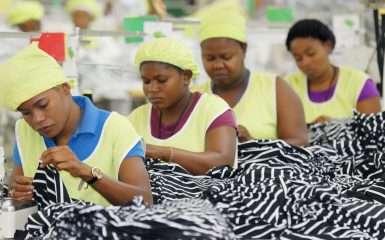
La société civile et le secteur privé, deux partenaires incontournables dans la réussite du processus de PNA d’Haïti
Par Patrick Saint-Pré, Consultant en communication
Au cours des 20 dernières années, Haïti a été l’un des trois pays les plus touchés par les épisodes météorologiques extrêmes, qui risquent d’augmenter compte tenu du rythme actuel du réchauffement climatique. Pour tenter de résoudre cette situation, Haïti a lancé un processus PAN en août 2019 afin de renforcer la résilience des secteurs économiques stratégiques du pays.
Civil Society and the Private Sector: Two essential partners for a successful NAP process in Haiti
By Patrick Saint-Pré, Communications Consultant
Over the past 20 years, Haiti has been one of the three countries most affected by extreme weather events, which are likely to increase given the current rate of global warming. In an attempt to resolve this situation, Haiti launched a NAP process in August 2019 to increase the resilience of the country’s strategic economic sectors.

Ensuring Inclusivity and Equality in Adaptation Planning
The blueprint for any adaptation action must be developed with the people it aims to protect and benefit. This Q&A provides insights on how vertical integration efforts can assure this inclusivity and representation in national planning processes.
Adaptation Communications: Frequently Asked Questions
by Anne Hammill and Christian Ledwell, NAP Global Network Secretariat
The NAP Global Network Secretariat is currently supporting 20 country partners prepare adaptation communications under the UNFCCC and these are the most common questions that have emerged from this work.
Why Gender Matters for Effective Adaptation to Climate Change
By Angie Dazé
Adaptation to climate change fosters resilient communities, economies, and ecosystems by considering climate risks in decision making at all levels. National Adaptation Plan (NAP) processes must take into account differing backgrounds, genders, and socio-economic realities to be effective.
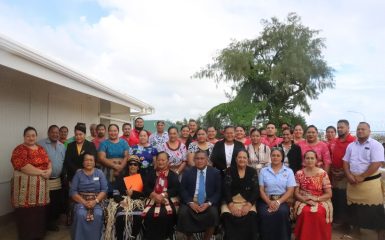
Engaging the Media as Stakeholders in Climate Action in Tonga
By Viliami Takau, JNAP Secretariat Communication and M&E Officer
The Government of Tonga, in partnership with the NAP Global Network, organized a media briefing and workshop on communicating climate change adaptation.

Bridging Biodiversity and Climate Change: Three ways the National Adaptation Plan (NAP) process can help
By Jeffrey Qi and Anika Terton, International Institute for Sustainable Development (IISD)
Climate change and biodiversity loss must be addressed urgently and ambitiously—neither will be successfully resolved unless both are tackled together.
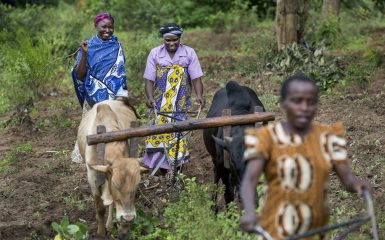
Eight Key Lessons of NAP Progress Reporting From Kenya and Burkina Faso
By Patrick Guerdat, International Institute for Sustainable Development (IISD)
During a webinar in June 2021, NAP focal points Kouka Ouedraogo (Burkina Faso) and Thomas Lerenten Lelekoitien (Kenya) shared key lessons from their work on approaching NAP progress reporting.