Insights
Analysis and commentary on the Network’s experiences coordinating climate-resilient development.
Ghana, Netherlands, and Peer Governments Gather in Accra to Accelerate National Action to Adapt to Climate Change
ACCRA, Ghana — From August 17 to 19, the governments of Ghana, Kenya, the Netherlands, and South Africa are convening…
From Country Priorities to Global Signals: A step-by-step guide to adaptation indicators for national monitoring, evaluation, and learning systems
Countries left the Bonn Climate Change Conference last week without an agreement on issues related to the global goal on…
La República Dominicana Fortalece la Colaboración en el Proceso de Actualización del Plan Nacional de Adaptación
La República Dominicana organizó en febrero pasado una serie de consultas entre actores clave del gobierno y la comunidad, para…
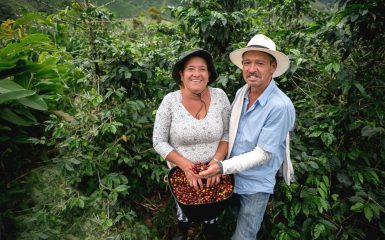
Three Key Actions to Make NAP Processes More Gender-Responsive
by Angie Dazé and Julie Dekens, IISD
Following our pilot analysis of how gender considerations are being integrated into national adaptation planning documents, we at the National Adaptation Plan (NAP) Global Network have been reflecting on the best way forward to achieve gender-responsive NAP processes. How can country teams move forward in addressing gender issues in their NAP processes? We have developed […]
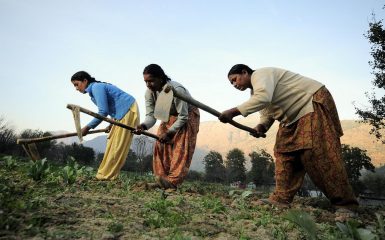
Gender in National Adaptation Plan (NAP) Processes: A pilot review of climate change adaptation planning documents from 15 countries
by Angie Dazé and Julie Dekens, IISD
The linkages between gender and climate change adaptation have been recognized as a key issue under the United Nations Framework Convention on Climate Change (UNFCCC) since the early 2000s. The 2015 Paris Agreement increased the ambition on gender, referring to gender equality and women’s empowerment and calling for action on climate change to be gender-responsive. […]
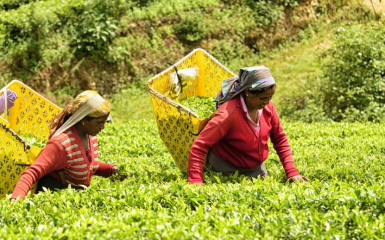
Gender, Adaptation Planning and the Art of Asking the “Right” Questions
by Angelica V. Ospina, IISD
Limited access by women and girls to productive assets—including land, financial resources and information—as well as their limited participation in decision-making processes can exacerbate the consequences of climate change shocks and stresses, particularly in vulnerable developing countries. A recent webinar by the Food and Agriculture Organization (FAO) of the United Nations convened a range of […]