Insights
Analysis and commentary on the Network’s experiences coordinating climate-resilient development.
Ghana, Netherlands, and Peer Governments Gather in Accra to Accelerate National Action to Adapt to Climate Change
ACCRA, Ghana — From August 17 to 19, the governments of Ghana, Kenya, the Netherlands, and South Africa are convening…
From Country Priorities to Global Signals: A step-by-step guide to adaptation indicators for national monitoring, evaluation, and learning systems
Countries left the Bonn Climate Change Conference last week without an agreement on issues related to the global goal on…
La República Dominicana Fortalece la Colaboración en el Proceso de Actualización del Plan Nacional de Adaptación
La República Dominicana organizó en febrero pasado una serie de consultas entre actores clave del gobierno y la comunidad, para…
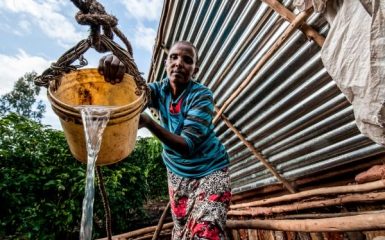
Resilient Recovery: Using Climate Adaptation Plans to Build Back Better
Anne Hammill
Though focused on climate change, National Adaptation Plans (NAPs) offer important assessments of the risks a country faces and can be valuable in devising more comprehensive pandemic response strategies.
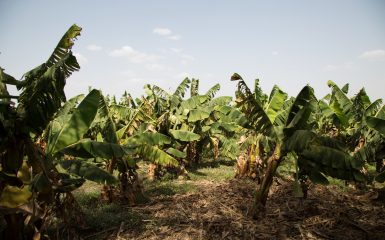
Participatory Development of Vulnerability Assessments in Benin, Burkina Faso, and Senegal for Better Adaptation Planning
By Sönke Marahrens, GIZ, Sarah D’haen & Melinda Noblet, Climate Analytics
Vulnerability assessments are an important part of a country’s National Adaptation Planning process, providing evidence for adaptation practitioners to make informed decisions about where adaptation action is needed most. Supported by Climate Analytics through the project “Science-based support for NAP processes in francophone Least Developed Countries of sub-Saharan Africa” (PAS-PNA)[1], the governments of Benin, Burkina […]
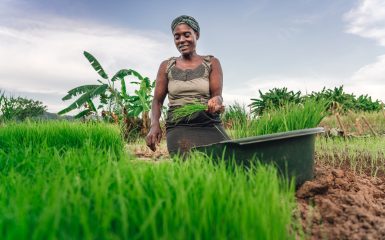
Malawi Gears Up to Adapt to Climate Change
By Donald Reuben Kamdonyo, Ph.D., Climate Change Specialist, Kamdonyo & Associates, Lilongwe, Malawi
Globally, climate change has been recognized as one of the biggest challenges that humanity is facing today. It has serious worldwide implications on economic development, food security and poverty eradication for developing countries, especially for least-developed countries like Malawi. All of Malawi’s socioeconomic sectors have been, and will continue to be, affected by climate change […]
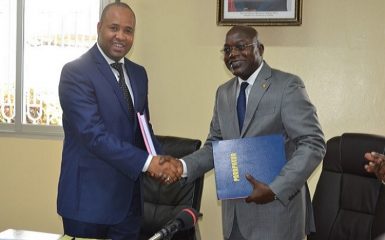
From the Bottom Up: Key lessons learned from Senegal’s NAP process
By Dr. Khady Sané Diouf and Ms. Fatou Thiaw, COMFISH
In October 2017, the NAP Global Network invited Dr. Khady Sané Diouf (Project Director) and Ms. Fatou Thiaw (Climate Change Officer)—representatives from the Collaborative Management for a Sustainable Fisheries Future in Senegal (COMFISH) initiative—to share their experience on Senegal’s NAP process during a regional meeting organized in Lomé, Togo. Senegal is taking a sectoral approach […]
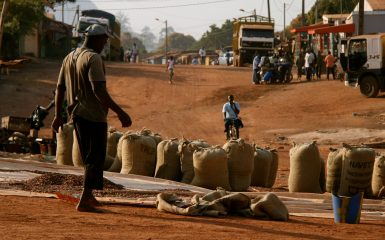
Integrating adaptation considerations into sector planning
A spectrum of approaches
A range of approaches to integrating adaptation considerations across sectors and levels demonstrates how the NAP process can lead to a common outcome (integration) via varying country-specific pathways.
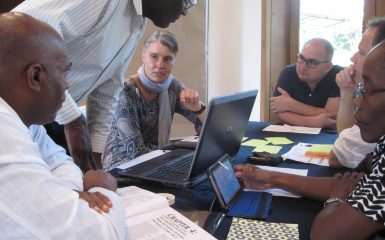
High-level political support & sectoral integration in NAP processes
Lessons from the Network’s 1st Targeted Topics Forum
With 28 participants from 14 countries and six organizations working on related issues, the NAP Global Network’s inaugural Targeted Topics Forum (TTF) in Rio de Janeiro, Brazil addressed the related topics of securing political support and sectoral integration in the NAP process.
Financing for climate-resilient development
Building synergies between the Addis Ababa Action Agenda and the National Adaptation Plan process
The principles of these two agendas present opportunities to ensure that investment in sustainable development and adaptation planning are mutually reinforcing.
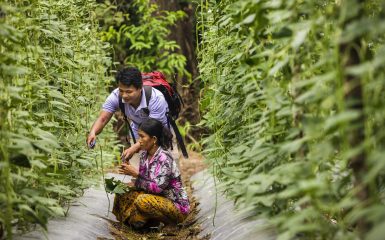
Leveraging existing adaptation planning for a NAP process in Cambodia
USAID and GIZ, on behalf of Germany’s Federal Ministry for Economic Cooperation and Development, are collaborating to support the Cambodian government to mobilize and manage funding for a climate-resilient future.